
Month guide · ice season · more light
Iceland Ice Cave March
The second most stable month, the most daylight of the cave season, and more start times on the busiest tours. What March brings, which tours start when, and what to wear.
March in numbers
- Höfn
- −1.0 to 4.6 °C
- Vík
- 0.2 to 5.3 °C
- Sun at Höfn
- ~115 h in the month
- Daylight
- ~10 → 13.5 h
Climate 1991–2020 · daylight in Reykjavík
Quick answer
March is inside the ice cave season and ranks 2nd of 7 for ice stability, behind February. Höfn averages −1.0 to 4.6 °C with about 115 hours of sun in the month, and daylight in Reykjavík grows from about 10 to 13.5 hours. Katla runs too, as every month.
Updated Nov 2026 · prices checked Nov 2026 · tours sampled for a March date
Key takeaways
- Stability: 2nd of 7
- Daylight: about 10 hours rising to about 13.5
- Vík averages 0.2 to 5.3 °C
- Free cancellation up to 24 hours before
Ice Caves in March at a Glance
March ranks second for ice stability in a study of the season months, just behind February, and has the most daylight of the cave season. Natural caves in Vatnajökull National Park may be visited from October to April, and lead guides check each cave daily, closing any that is unsafe. Katla, outside the park, and the Langjökull tunnel run every month.
March · #2 of 7
Stable ice, long days
Almost as cold as February, with the most light of the cave season and extra departures.
- High at Höfn
- 4.6°
- Low
- −1.0°
- Rain days
- 16
- Daylight
- 10 → 13.5 h
Full season: Vatnajökull, Skaftafell, Katla and Langjökull all run
Why March ranks second
- ColdHöfn −1.0 to 4.6 °C — a little milder than February; cold counts for 40% of the stability score.
- Rain days16 at Höfn, against 14 in February — rain counts for 30%.
- Most lightAbout 10 hours of daylight rising to 13.5, and about 115 hours of sun at Höfn.
Guide to Iceland stability study · climate averages Höfn 1991–2020 and Vík · Nov 2026
Iceland Ice Cave Tours in March
All the main cave tours had departures on the sampled March date, several with more starts than in winter: the Vatnajökull guided tour runs six a day and the Ice Explorers tour four. Katla tours in Vík add discounted 12:00 and 15:00 departures; day trips from Reykjavík collect you at 08:00 or 09:00.
Start times and prices for a sampled March date · 1 adult · GetYourGuide · checked Nov 2026
Planning a March Ice Cave Day
March has the most light of the cave season: about 10 hours in Reykjavík at the start of the month, about 13.5 at the end. Long days leave room for the drive to Jökulsárlón or Vík and an afternoon start — roads can still be icy.
Morning
08:15–09:30 startsSix starts a day on the Vatnajökull guided tour, from 08:15 to 14:30.
Midday
11:00–12:00 startsThe 6-hour remote-cave hike starts at 11:00, in full daylight.
Afternoon
12:00–15:00 startsThe cheaper Katla departures leave Vík at 12:00 and 15:00.
Start times sampled for a March date · daylight in Reykjavík · Nov 2026
What to Wear in March
Dress for about 0 °C, wind and wet ice: warm layers, a waterproof outer layer, gloves and hiking boots. Every tour supplies a helmet and crampons; a few, like the Ice Explorers blue cave tour, also lend clothing and shoes.
Supplied on the tour
- Helmet
- Crampons or spikes
- Some tours: clothing and shoes (Ice Explorers)
Bring yourself
- Warm layers
- Waterproof outer layer
- Gloves and a hat
- Hiking boots with ankle support
Tour pages on GetYourGuide · Nov 2026
Ice Caves in Other Months
February is the only month with more stable ice. January ranks third, with short but lengthening days; December ranks fourth, with the shortest days of the year.

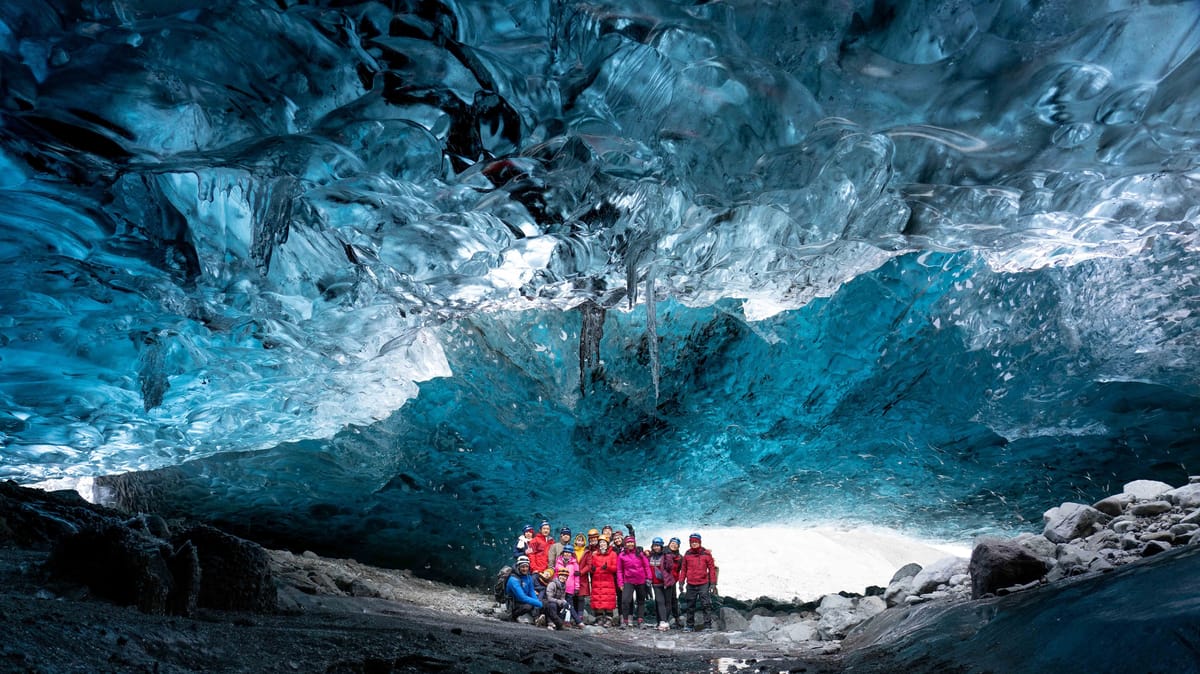
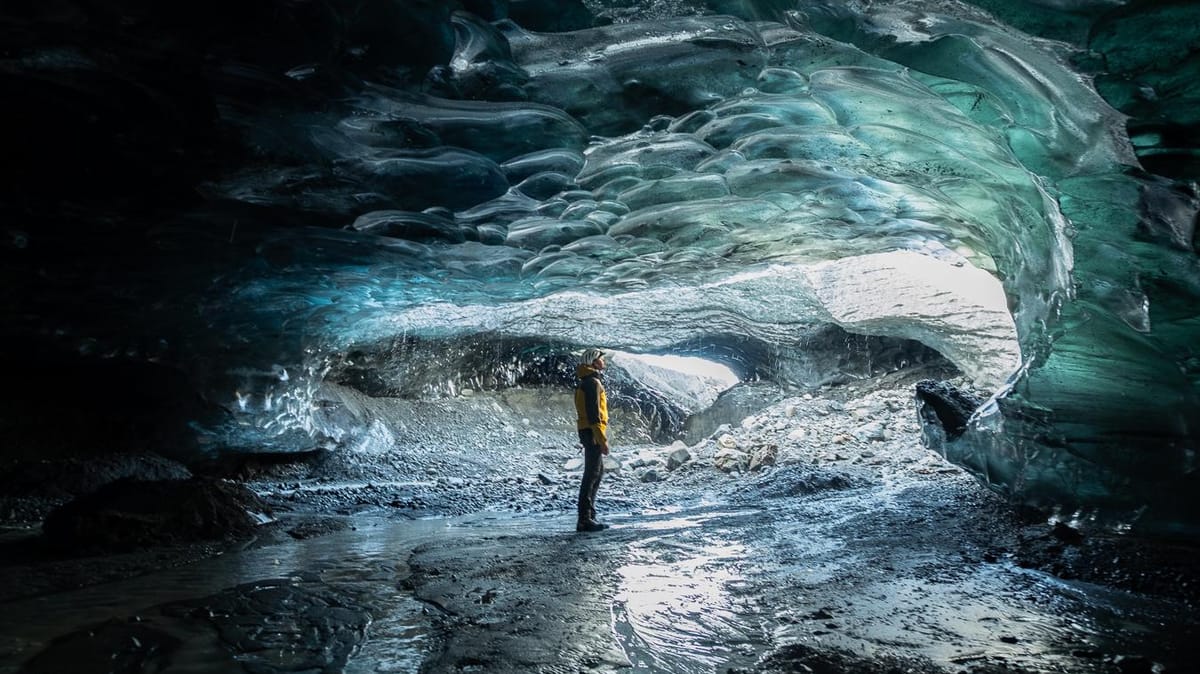
What guests say about winter tours
Winter guests write about the colour of the ice and guides who kept them safe on icy ground. Each quote comes from a verified booking on GetYourGuide.
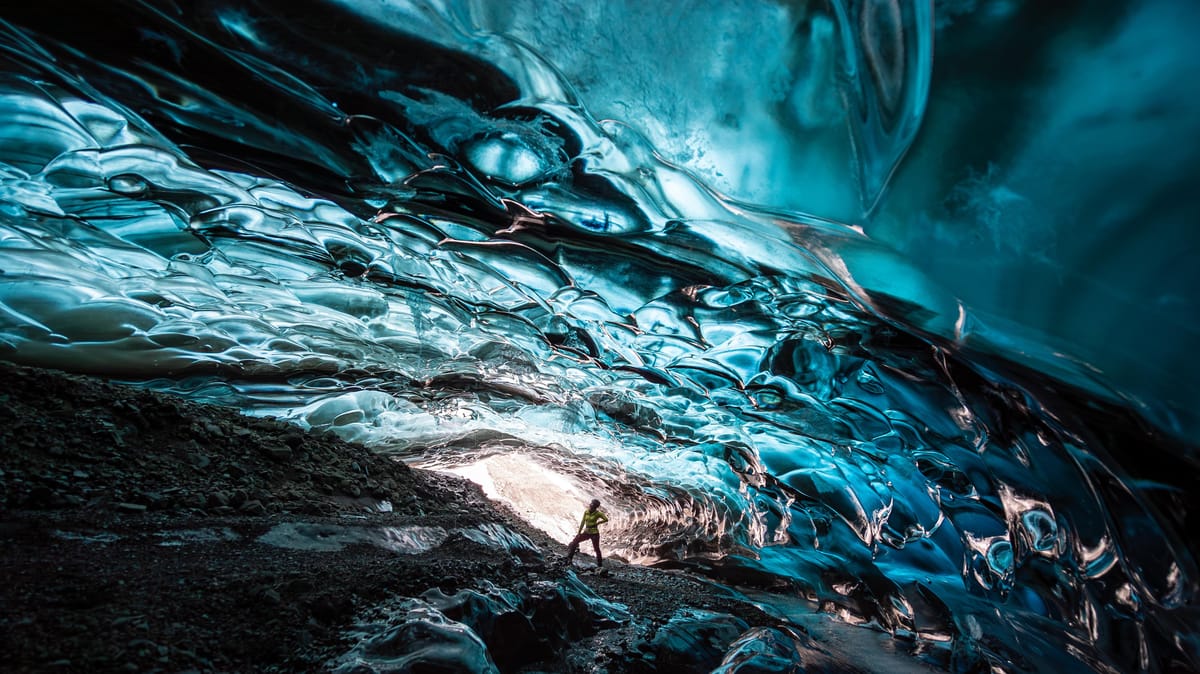
We really loved the way Martin explained the formation of glacier and the reason why the caves are blue.”
Ian · Nov 2026 · verified booking

Now, in winter, the ice had all the shades of BLUE – sensational!!! You absolutely must book this tour!!!”
Katja · Nov 2026 · verified booking
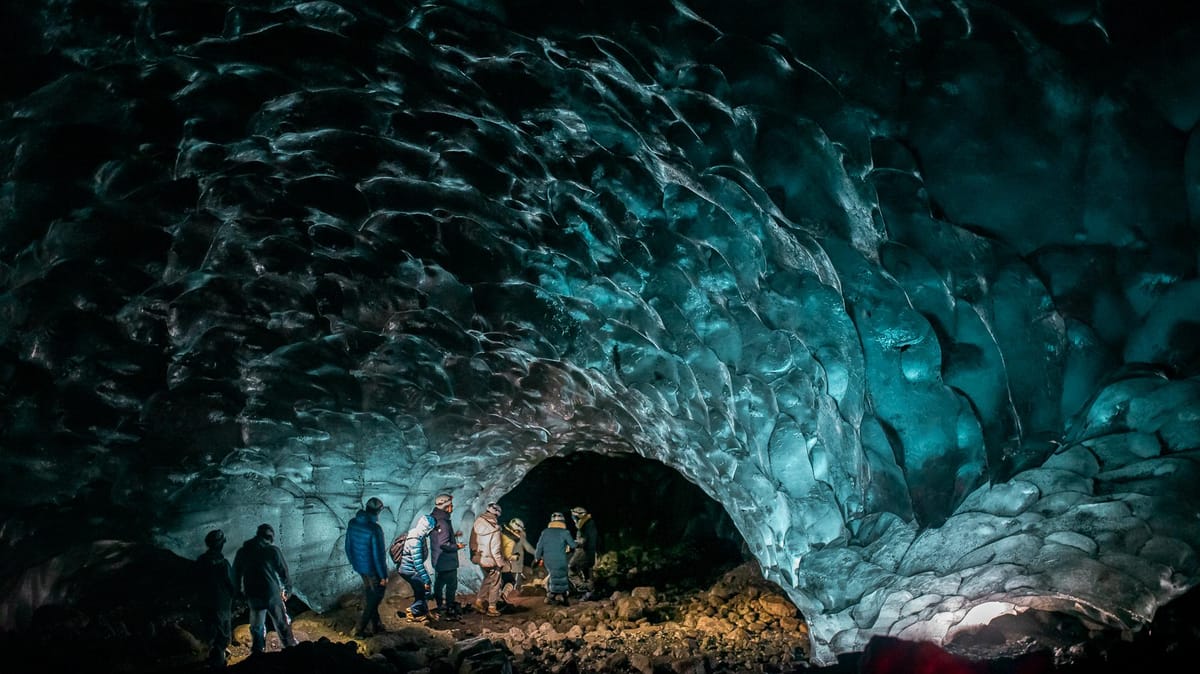
We had an absolutely amazing time on the Vatnajökull Glacier Blue Ice Cave Tour! Valentin and Alejandro were fantastic guides.”
Reto · Nov 2026 · verified booking
Source · GetYourGuide verified reviews · Nov 2026
Live availability
Vatnajökull guided tour · 3 h · Jökulsárlón
Pick a March day to see real start times and prices.
Iceland ice cave March: questions
Are ice caves open in March?
Yes — March is inside the October–April season, and Katla runs all year.
Is March a good month for ice caves?
It ranks 2nd of 7 for ice stability — only February is more stable.
How cold is March?
Höfn averages −1.0 to 4.6 °C, Vík 0.2 to 5.3 °C.
How much daylight is there?
In Reykjavík, about 10 hours rising to about 13.5.
What if my tour is cancelled?
The operator refunds; you can cancel free up to 24 hours before.
Which tour should I book?
Vatnajökull from Jökulsárlón for blue ice, Katla from Vík for a shorter trip.

Book a March ice cave tour
For the bluest ice, the 3-hour Vatnajökull guided tour from €149 — six starts a day in March. On the South Coast, Katla from Vík from €176.